The resolution states that the right to life and the inviolability of human dignity define the limits of all state power. The death penalty violates these principles, makes judicial errors fatal and irreversible, and transforms justice into the state-sanctioned taking of human life.
The document specifically highlights the dangers posed by the legislative amendments introduced in 2022 and 2023, through which the Lukashenko regime expanded the scope of the death penalty to include so-called “attempted acts of terrorism” and “high treason”. In an environment of widespread politically motivated persecution and the complete dismantling of judicial independence, these provisions may be used against political opponents of the regime.
The resolution mandates the Coordination Council’s delegation to advocate for the full and unconditional abolition of the death penalty during potential roundtable talks between the democratic forces and representatives of the regime. The delegation is tasked with ensuring that this commitment is incorporated into any resulting political agreements, securing an immediate moratorium, the commutation of existing death sentences, and the complete removal of the death penalty from criminal legislation, followed by the enshrinement of its prohibition in the Constitution of Belarus.
The abolition of the death penalty is not only a matter of human rights but also a necessary condition for Belarus’s return to the European legal framework. It would pave the way for Belarus’s future accession to the Council of Europe and participation in international human rights protection mechanisms.
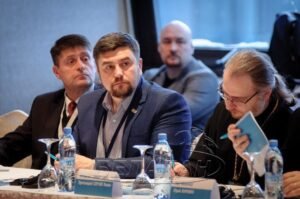
The resolution was adopted at a plenary session of the Coordination Council of the Fourth Convocation on 8 October 2026. 52 delegates voted in favour, with 1 voting against.
The resolution was drafted by Mikita Semianenka, a member of the Latushka Coalition and For Freedom Movement faction. The final version incorporates proposals from other delegates of the Coordination Council.